
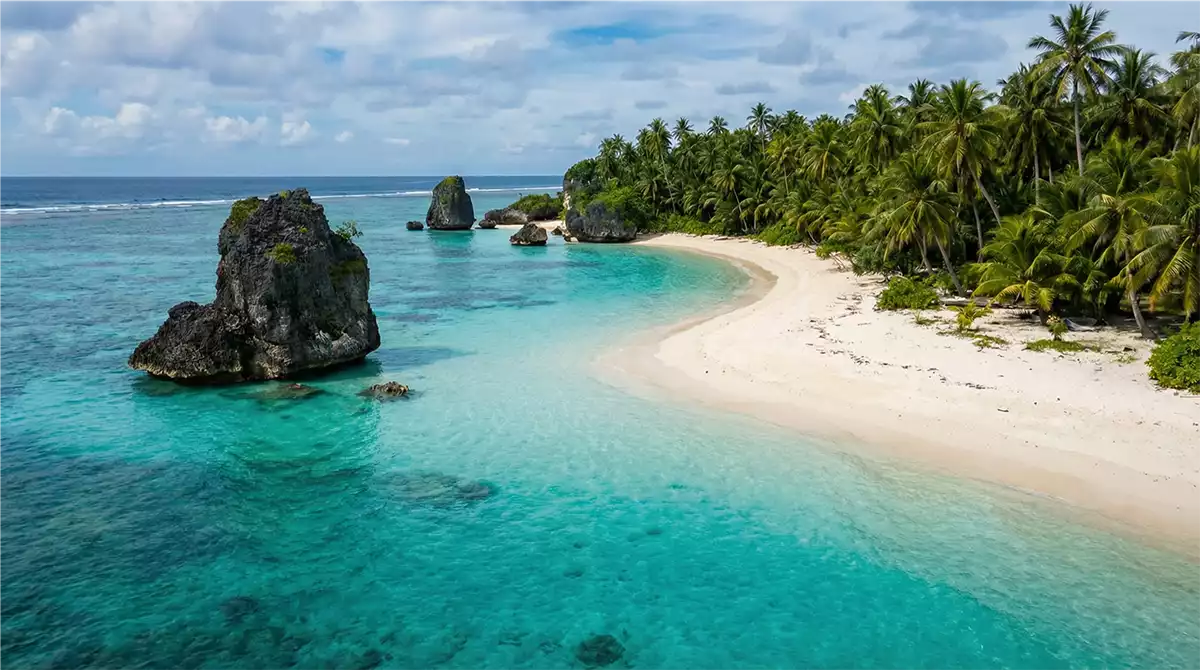
Understanding Nauru Citizenship
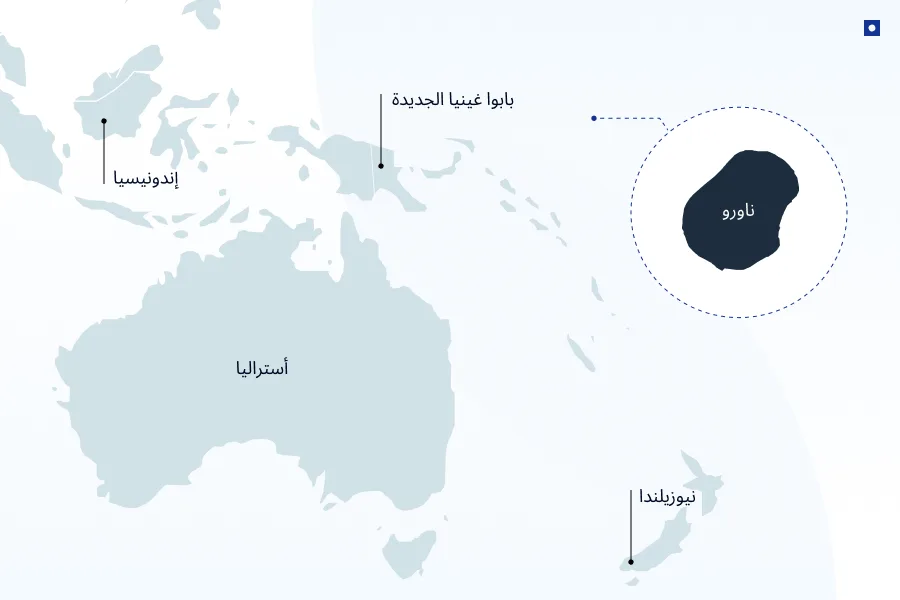
Nauru, a small island nation in the Pacific Ocean, is known for its stunning beaches and unique culture. However, it is also recognized for its specific and often complex citizenship laws. This article delves into the details of Nauru citizenship, exploring requirements, processes, and the benefits of becoming a citizen. For more in-depth information, you can visit Nauru Citizenship https://naurucitizenship.net/.
What is Nauru Citizenship?
Nauru citizenship refers to the legal status granted to individuals by the Nurauan government, allowing them to enjoy rights and privileges within the country. This status is crucial for anyone wishing to live, work, or invest in Nauru long-term. Due to its geographical and cultural uniqueness, acquiring citizenship can involve specific processes and regulations.
History of Nauru Citizenship
Nauru gained independence from Australia in 1968 and established its citizenship laws shortly thereafter. The Nauru Citizenship Act delineates the classes of citizens, primarily focusing on those who were born on the island, as well as descent from Nauruan parents. Over time, amendments have been made to address the needs of varying resident populations, including foreigners seeking citizenship.
Eligibility for Nauru Citizenship
1. Birthright Citizenship
Individuals born to Nauruan citizens are typically granted citizenship automatically. This includes those born on the island or abroad. However, certain conditions apply that might affect citizenship status based on registration and parental nationality.
2. Citizenship by Descent
Children of Nauruan citizens who are born outside of Nauru can claim citizenship by descent. This provision ensures that the right to citizenship extends within the Nauruan community, regardless of where a child is born.
3. Naturalization
Foreigners may apply for Nauruan citizenship through naturalization. However, this process is stringent and requires applicants to meet specific criteria, such as residency duration and good character. Typically, foreign nationals must reside in Nauru for a substantial period, often several years, demonstrating commitment and integration into Nauruan society.
Requirements for Naturalization
The naturalization process involves various requirements that applicants must fulfill:

- Residency: An applicant must reside in Nauru for a minimum period, usually between 5 to 10 years, depending on individual circumstances.
- Good Moral Character: Applicants must provide evidence of good conduct, often backed by police clearances from countries of residence.
- Knowledge of Nauruan Customs and Language: A basic understanding of Nauru’s culture and some proficiency in the Nauruan language may be required.
- Financial Stability: Proof of the ability to support oneself and any dependents financially is crucial for successful applications.
The Application Process
The application process for Nauru citizenship can be intricate. It generally involves the following steps:
- Gathering Documentation: Applicants must collect necessary documents such as birth certificates, passports, residency permits, financial statements, and character references.
- Submission: Complete applications must be submitted to the Nauru Immigration Office or the relevant government authority.
- Interview: An interview may be required to assess the applicant’s suitability for citizenship.
- Waiting Period: After submission, applicants will undergo a waiting period during which their application will be reviewed.
- Decision: Upon approval, applicants may take an oath of allegiance to complete the citizenship acquisition.
Benefits of Nauru Citizenship
Obtaining citizenship in Nauru comes with various benefits:
- Right to Reside and Work: Nauruan citizens have the legal right to live, work, and study in Nauru without restriction.
- Access to Healthcare and Education: Citizens are entitled to public healthcare services and educational opportunities available in Nauru.
- Involvement in Governance: Citizenship allows individuals to participate in voting and holding public office, contributing to the nation’s democratic processes.
- Investment Opportunities: Citizens have preferential access to land and business opportunities, fostering economic empowerment and growth.
Challenges Faced by Potential Citizens
While there are numerous benefits to obtaining Nauru citizenship, challenges also exist:
- Complexity of Process: The process can be bureaucratic and time-consuming, which may deter some applicants.
- Legal Restrictions: Laws regarding citizenship can change, and staying updated on regulations is crucial for applicants.
- Integration Issues: Non-Nauruan applicants may face cultural and social integration challenges, impacting their residency experience.
Conclusion
Nauru citizenship represents more than just legal status; it is a gateway to a vibrant community and unique way of life. For many, the path to becoming a citizen is a fulfilling journey that requires commitment and understanding of Nauru’s laws and cus
toms. As the global landscape continues to evolve, the opportunity for individuals to embrace the essence of Nauru through citizenship remains a significant prospect, enriching both the individuals and the nation of Nauru.
For those considering this important decision, thorough research and consultation with immigration experts are recommended to navigate the complexities of the citizenship process effectively.