

Understanding Interpol and the Mechanics of International Arrest Warrants
Interpol, also known as the International Criminal Police Organization, plays a crucial role in international law enforcement, facilitating cooperation between police forces across different countries. Among its various functions, one of the most significant is the facilitation of international arrest warrants. This article delves into the intricate relationship between Interpol and international arrest warrants, explaining the mechanisms involved and the legal considerations that come into play. For a more in-depth perspective, visit Interpol and international arrest warrant.
What is Interpol?
Founded in 1923, Interpol has evolved into a vital organization in the realm of international crime-fighting. It provides a platform for police forces from different countries to share information and collaborate on investigations. With 195 member countries, Interpol is the largest international organization focused on crime prevention and investigation. Its mission is to facilitate international police cooperation, making it easier for law enforcement agencies to track down criminals across borders.
What Is an International Arrest Warrant?
An international arrest warrant is a legal document that requests the apprehension of an individual who is wanted for prosecution or to serve a sentence in one jurisdiction but is located in another. Unlike domestic arrest warrants, which are issued by national law enforcement authorities, international arrest warrants require cooperation between multiple countries, governed by treaties and international law.
Types of International Arrest Warrants
International arrest warrants can take various forms, depending on the legal frameworks that support them. The most recognized types include:
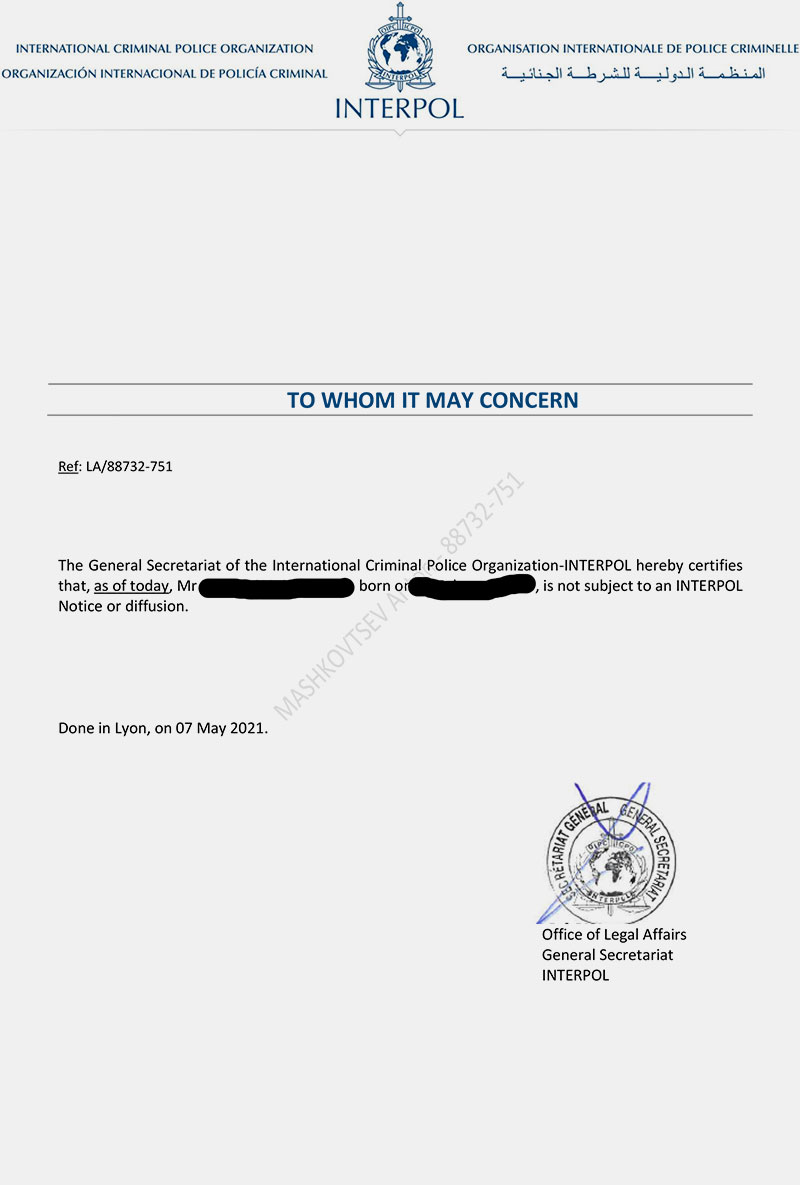
- Red Notice: Issued by Interpol, a Red Notice is not an international arrest warrant per se, but it requests law enforcement worldwide to locate and provisionally arrest an individual pending extradition. It serves as a request for the individual’s location and apprehension rather than a legally binding order.
- European Arrest Warrant (EAW): This tool allows for the arrest and transfer of criminal suspects between members of the European Union without the need for extradition proceedings, significantly speeding up the process.
- National Arrest Warrants: Some countries can issue arrest warrants that have international implications, based on the legal agreements made with other nations.
The Process of Issuing an International Arrest Warrant
The process for issuing an international arrest warrant can be complex and varies from one jurisdiction to another. Here’s an overview of the general steps involved:
- Investigation: A thorough investigation is conducted by local law enforcement to determine the whereabouts and activities of the suspect.
- Issuance of Warrant: Once there is sufficient evidence, a warrant is issued by local authorities. For instance, in the case of a Red Notice, the requesting country submits a request to Interpol.
- Publication: Interpol reviews the request to ensure it meets necessary standards. If approved, the Red Notice is published, alerting law enforcement worldwide.
- Locate and Arrest: Law enforcement agencies in different countries are notified about the suspect’s identity and last known location, facilitating their apprehension.
- Extradition Process: Once apprehended, the legal process for extradition begins, often requiring hearings and legal representation for the individual in question.
Legal and Ethical Considerations
The issuance of international arrest warrants is not free from controversy and ethical dilemmas. Here are some key considerations:
- Due Process: Individuals subject to arrest warrants still retain rights—as outlined in various international human rights laws. Ensuring that these rights are respected during the arrest and extradition process is crucial.
- Political Motivation: There’s the potential for misuse of international arrest warrants for political reasons. Critics argue that some arrests may be driven by political motives rather than genuine criminal activity.
- Legal Boundaries: Different countries have different laws regarding extradition, which may complicate the process. Countries may refuse extradition based on various reasons, including the possibility of facing the death penalty or claims of unfair trials.
The Role of Interpol
Interpol plays a critical role in coordinating international law enforcement efforts regarding arrest warrants. However, it must be emphasized that while Interpol facilitates communication and cooperation, it does not have the authority to enforce arrests or extraditions. Countries remain sovereign entities, and the enforcement of an arrest warrant depends on national legislation and policy.
Recent High-Profile Cases Involving International Arrest Warrants
Numerous high-profile cases have brought international arrest warrants into the spotlight, demonstrating both their importance and challenges:
- Julian Assange: The founder of WikiLeaks was the subject of multiple legal efforts, and various countries issued arrest warrants related to allegations of sexual offenses, as well as political motivations surrounding his leaking of classified information.
- Roman Polanski: The famous filmmaker has faced an ongoing international arrest warrant since 1978 due to allegations of sexual misconduct, highlighting the complexities of extradition laws and international warrants.
Conclusion
Interpol and international arrest warrants represent vital components in the framework of modern international law enforcement. While their existence enables police forces to combat transnational crime more effectively, it also raises significant legal and ethical questions that must be addressed. As the world continues to navigate the challenges of globalization, the collaboration between nations in terms of policing and law enforcement remains more crucial than ever.