
Understanding the Basics of F1: An Essential Guide
Formula 1 (F1) is the pinnacle of motorsport, an exhilarating blend of speed, technology, and strategy. In this article, we will explore the foundational aspects of F1 racing, including its history, how races are structured, the technology involved, and the significance of teams and drivers. For an interesting perspective on F1 genetics, you might want to check out Understanding the basics of F1, F2, & F3 Cannabis Seeds https://kindseed.com/a-guide-to-understanding-the-basics-of-f1-f2-and-f3-cannabis-seeds/.
What is Formula 1?
Formula 1 is a global motorsport series sanctioned by the FIA (Fédération Internationale de l’Automobile). It consists of a series of races known as Grands Prix, which are held on various circuits around the world. These events attract millions of viewers and highlight the best in automotive engineering and race strategy.
A Brief History of F1
The first Formula 1 season was held in 1950, and over the years, it has evolved into a highly competitive and technologically advanced sport. Key milestones in the history of F1 include the introduction of turbo engines in the 1970s, the dominance of teams like Ferrari and McLaren, and the modern era characterized by hybrid power units and advanced aerodynamics. Icons such as Ayrton Senna, Michael Schumacher, and Lewis Hamilton have made significant impacts on the sport’s legacy.

The Structure of a Formula 1 Season
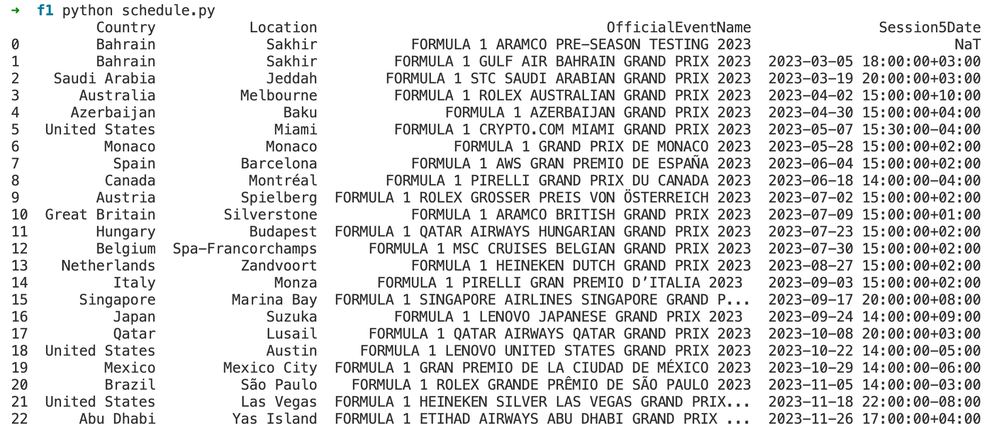
The F1 season typically consists of around 20-23 races held in various locations, from the streets of Monaco to the iconic circuits of Silverstone and Monza. Each race weekend follows a similar structure:
- Practice Sessions: Teams have three practice sessions to fine-tune their setups and gather data.
- Qualifying: This session determines the starting grid for the race. Drivers aim for the fastest lap to secure the best position.
- The Race: The main event where drivers compete for points based on their finishing position. Points are awarded to the top ten finishers.
Understanding the Cars
F1 cars are the epitome of engineering excellence. They are designed with a specific set of regulations known as the «Formula,» which dictates dimensions, weight, and technology. Key components of an F1 car include:
- Power Unit: A hybrid system that combines a combustion engine with electric motors.
- Aerodynamics: Wings and body shape are carefully designed to create downforce and reduce drag.
- Tires: Compound choices and tire management play a crucial role in race strategy.
The Teams and Drivers
F1 features ten teams, each fielding two drivers. Teams like Mercedes, Red Bull Racing, and Ferrari are often at the forefront of competition. Drivers are athletes who must possess a unique blend of skill, mental strength, and physical fitness. They undergo intense training regimens to prepare for the demands of racing.
Scoring and Championships
The F1 World Championship consists of two main titles: the Drivers’ Championship and the Constructors’ Championship. Points are awarded based on finishing positions, with the winner receiving 25 points. The driver and team with the most points at the end of the season are crowned champions. The scoring system incentivizes competitiveness throughout the season, making every race essential to the overall result.
The Role of Strategy in Racing
Strategy is a crucial element in F1 racing. Teams must make real-time decisions regarding pit stops, tire choices, and race pace, all of which can affect the outcome. Additionally, factors such as weather conditions and track evolution can influence strategy, making it an ever-changing aspect of the race.
F1’s Global Impact
Formula 1 is not just a sport; it is a global phenomenon. It fosters advancements in automotive technology, inspires engineering careers, and has a massive following that unites fans from all over the world. The sport also engages in various initiatives, including sustainability efforts aimed at reducing its environmental impact.
Conclusion
Understanding the basics of Formula 1 provides valuable insight into this incredible sport. The blend of technology, skill, and strategy makes it a captivating spectacle. Whether you’re a seasoned fan or a newcomer, there’s always something new to learn and appreciate in the world of F1 racing.
We hope this article has helped you grasp the fundamentals of Formula 1 and piqued your interest in following the races. As the sport continues to evolve, so too will our understanding of the incredible feats accomplished on racetracks around the globe.